
ITEMIZED MEDICAL BILL: WHAT YOU SHOULD SEE FOR
Introduction
Itemized Medical Bill Receiving a medical bill can be stressful, especially when the amount is higher than you expected. Hospital bills often contain several charges for consultations, tests, medicines, treatments, and other services. Without a proper explanation, it can be difficult to understand where your money is going.
Itemized medical bill makes expenses easier to review. Instead of showing hole amount, it breaks down the charges so you can look what service costs. Taking a few minutes to check your bill can help you understand your healthcare expenses, question charges that seem unusual, and identify possible billing mistakes. This guide explains the main details you should review before paying a medical bill
What Is an Itemized Medical Bill?
Itemized medical bill statement is to separate the healthcare expenses to individual entries. Each entry describes a service, product, or fee connected to your treatment.Depending on the care you received, the statement may include doctor visits, hospital accommodation, laboratory work, medical scans, prescription medicines, surgical procedures, and other supplies.
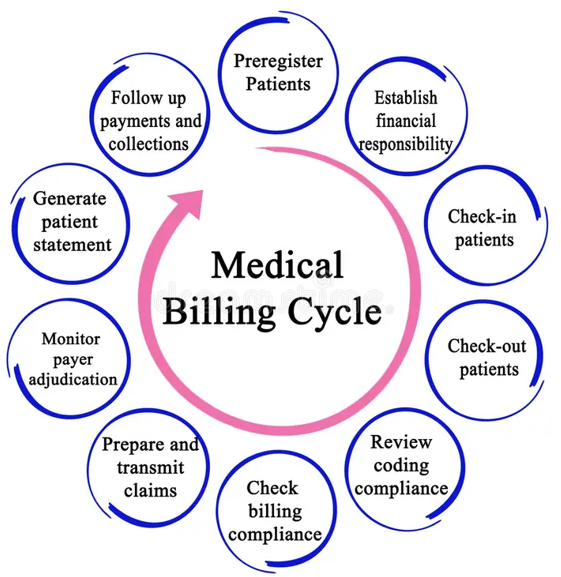
Looking at these details gives you a better idea of how the final amount was calculated It also makes it easier to discuss a specific charge with the hospital if something does not appear correct.
1. Confirm That Every Charge Matches Your Treatment
Start by reading through the services listed on your bill. Consider whether each charge relates to a test, consultation, medicine, or procedure you actually received.
For example, a visit for a routine check-up might include a consultation fee and a laboratory test. If the statement also lists an unfamiliar procedure, ask the billing department why it appears there. Some services may be recorded under technical names that are different from the words your doctor used. Request an explanation before deciding that a charge is incorrect.Keeping appointment details, prescriptions, medical reports, and discharge documents can make this review easier
2. Look Carefully for Repeated Charges
A billing mistake can occur when the same service is entered more than once. These repeated entries may increase your final balance without being immediately noticeable.Pay attention to charges that have matching descriptions, dates, and amounts. Laboratory tests, medicines, equipment, and treatment fees are useful places to begin your review. Keep in mind that similar charges are not always duplicates. A doctor may order the same test on different days, or a hospital may record separate parts of a procedure individually.If two entries appear to represent the same service, ask the provider to explain why both are included
3. Examine the Price of Each Service
Itemized statement allows to see the individual price of each part of care. Compare these amounts with any written estimate, price list, or agreement you received before treatment.Check expenses such as consultation fees, room charges, diagnostic tests, medicines, and procedure costs. If an amount seems unusually high or different from the estimate, request clarification.
Prices can vary between healthcare providers and may depend on the type of treatment, location, and other circumstances. A higher-than-expected price does not automatically mean the provider made an error. The important step is to understand how the charge was calculated.
4. Verify the Dates on Your Bill
Check whether the dates shown in the statement match the days you visited the hospital or received treatment.Date error can cause confusions, when you have appointments over several days or stay in a hospital overnight.
For instance, if your statement includes a service dated after your treatment ended, ask the provider to confirm whether the date and charge are correct.Your appointment messages, admission records, discharge papers, and test reports can help you check the information.
5. Ask About Unfamiliar Billing Codes
Healthcare bills sometimes use codes to identify specific treatments, tests, and medical services. These codes may not be easy to understand without experience in medical billing.
If you find the code unfamiliar, ask the billing office to provide its its full description. Then compare that explanation with the care you received from them.A code that looks unusual is not necessarily a mistake. However, if the service description does not seem to match your treatment, request a review and ask for a written explanation when possible.Understanding these entries can make discussions with the hospital more straightforward.
6. Compare the Bill With Your Insurance Documents
If insurance helped cover your treatment, review your provider’s statement alongside the insurance company’s Explanation of Benefits (EOB), where available.
An EOB normally explains how an insurance claim was processed. It may show the amount submitted by the healthcare provider, the amount considered by the insurer, the payment made, and any remaining amount assigned to you.
Compare the information in both documents. Check whether the insurer’s payment and any adjustments are reflected in the provider’s account.If the remaining balance looks different, contact the insurer or hospital billing department to understand the reason.
Remember that an EOB is generally an explanation of insurance processing rather than a request for payment itself. Follow the actual bill and your insurer’s instructions when checking what you owe.
7. Make Sure Your Previous Payments Are Included
Your final statement should accurately reflect payments already made toward your medical expenses.Review the account for deposits, advance payments, partial payments, and other amounts you paid directly. Compare the entries with your receipts, bank records, or payment confirmations.
Assume you paid part of hospital costs before leaving. If that amount does not appear in the account, contact the billing office and provide the relevant proof.Keep copies of your payment records until the account has been settled. They can help you resolve disagreements and avoid paying a recorded amount twice.
8. Understand Additional and Unexpected Fees
A medical bill may contain charges for supplies, equipment, administrative services, or other expenses that were not obvious when you first received care.Do not overlook these entries simply because they are listed separately. Ask the provider to explain what eachunfamiliar fee covers and why it was added.
If the final statement differs from a previous estimate, request a breakdown of the difference. Some additional costs may be related to the treatment provided, while others may require correction or further discussion.Clear explanations help you understand the full cost of your care.
9. Check the Personal Details on the Statement
Before paying, make sure the bill has been issued for the correct patient and account.Review your name, patient or account number, healthcare provider’s details, and treatment dates. If insurance information is included, check that it is accurate as well.For the best services carepbs.com use them
A typing error or incorrect account detail can sometimes create confusion or delays in processing a claim.Report any incorrect information to the billing department and ask for an updated statement.
10. How to Handle a Medical Billing Mistake
If you find a charge you do not understand or believe is incorrect, take action rather than ignoring it.
Step 1: Request a full breakdown. If you only received a bill showing a single total, ask for an itemized version.
Step 2: Identify the specific issue. Note the charge, service date, and amount, along with the reason you believe it needs checking.
Step 3: Gather your records. Collect relevant prescriptions, test reports, insurance documents, receipts, and other supporting information.
Step 4: Contact the billing office. Explain the issue clearly and ask the provider to investigate the charge.
Step 5: Speak with your insurer if necessary. When the disagreement concerns insurance coverage or claim processing, ask the insurer to review the details.
Step 6: Keep a record of the discussion. Save emails, letters, receipts, and notes about phone calls. Request written confirmation of any correction or agreed change to your balance.
If the issue remains unresolved, consider contacting a suitable patient-support service or the relevant healthcare or consumer protection authority in your area.
Benefits of Reviewing Your Itemized Medical Bill
Carefully checking a medical bill can help you take greater control of your healthcare spending. It gives you a clearer view of the services you were charged for and helps you raise questions before an issue becomes harder to resolve.
A regular review can help you identify repeated entries, understand unexpected costs, confirm that payments were credited, and check the results of insurance processing.
It can also improve your recordkeeping. When you keep bills, receipts, and medical documents together, you have useful information available if you need to discuss a charge later.
The steps for challenging a bill depend on the country where you received treatment, the provider’s policies, and any applicable insurance agreement.
Conclusion
An itemized medical bill helps explain the individual expenses behind your healthcare costs. Reviewing its services, dates, prices, extra fees, insurance adjustments, and payment records can help you understand your final balance.
You do not need to be a medical billing expert to ask sensible questions. When an entry is unclear, request an explanation and keep the documents that support your concern.
A careful review before payment can help you spot possible mistakes, resolve confusion, and make better-informed decisions about your healthcare expenses.for better consultants contact us at 737-377-5546
Note
The key is simple: understand each charge, check the details, and ask for clarification whenever something does not seem right